


Produktkategori
Kontakta oss
Manual Stacker, Electric Pallet Stacker Supplier
-
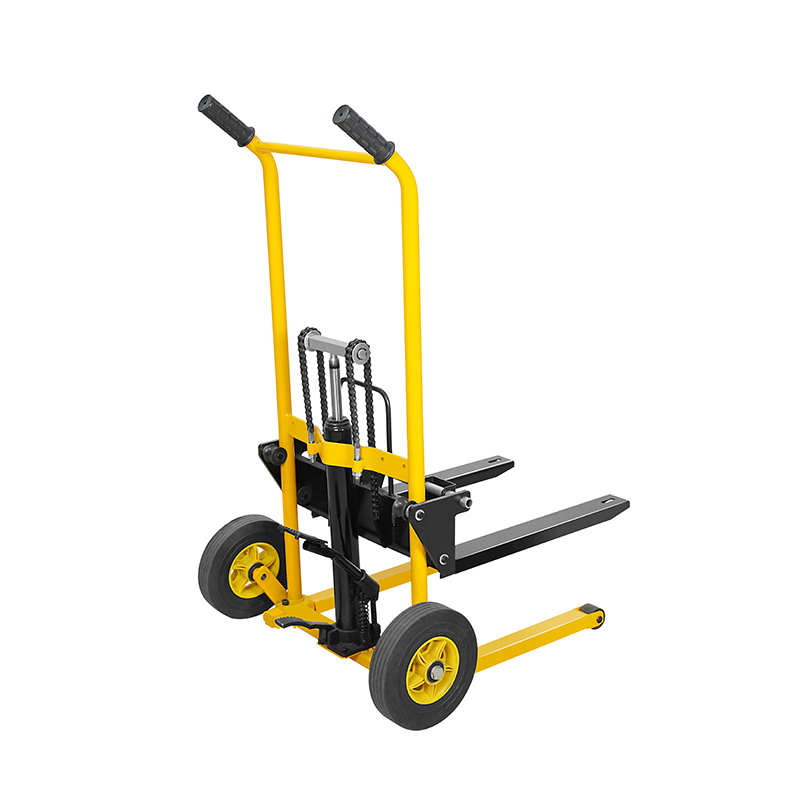
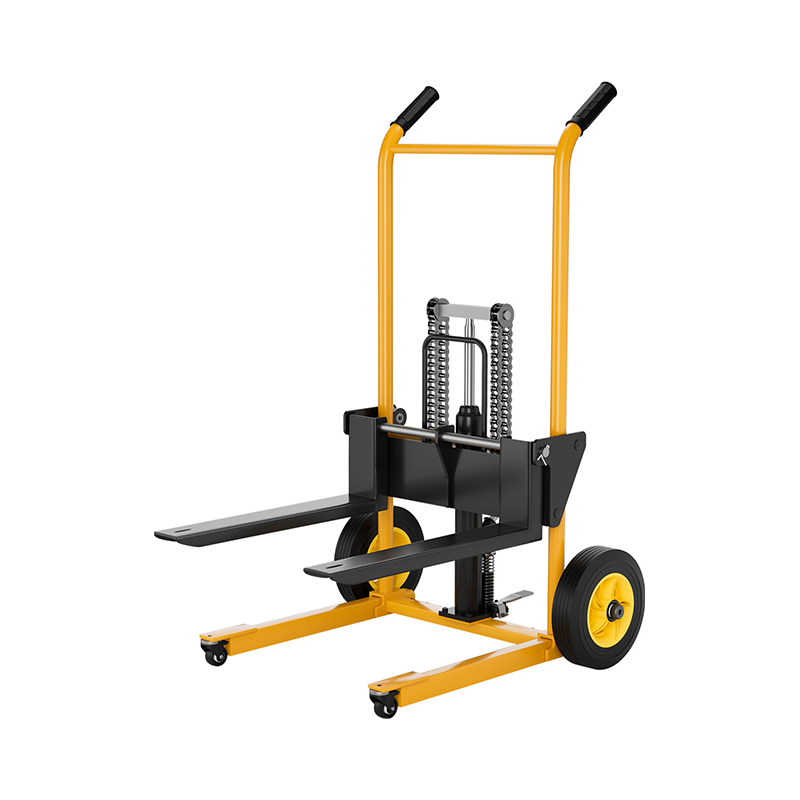
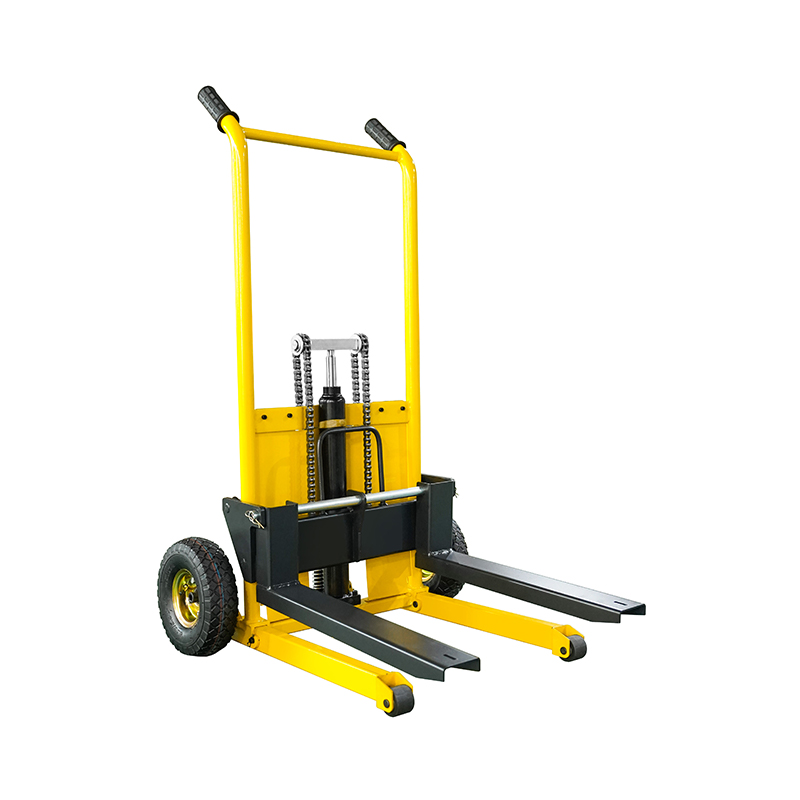
Ministaplare HS200
*Lämplig för staplare och transportörer av smågods *Liten tryck- och dragkraft, flexibel s -
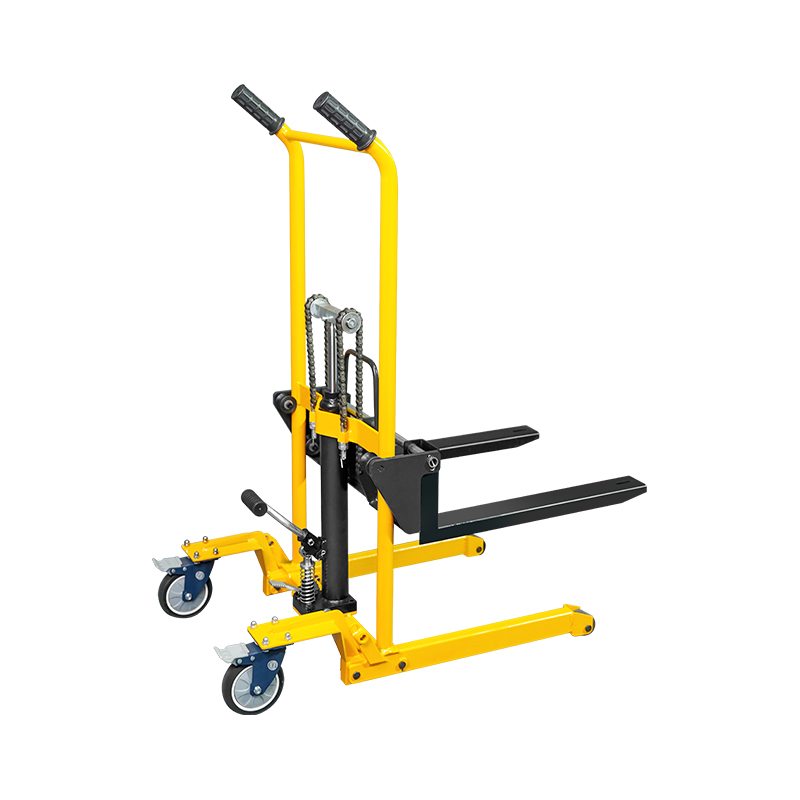
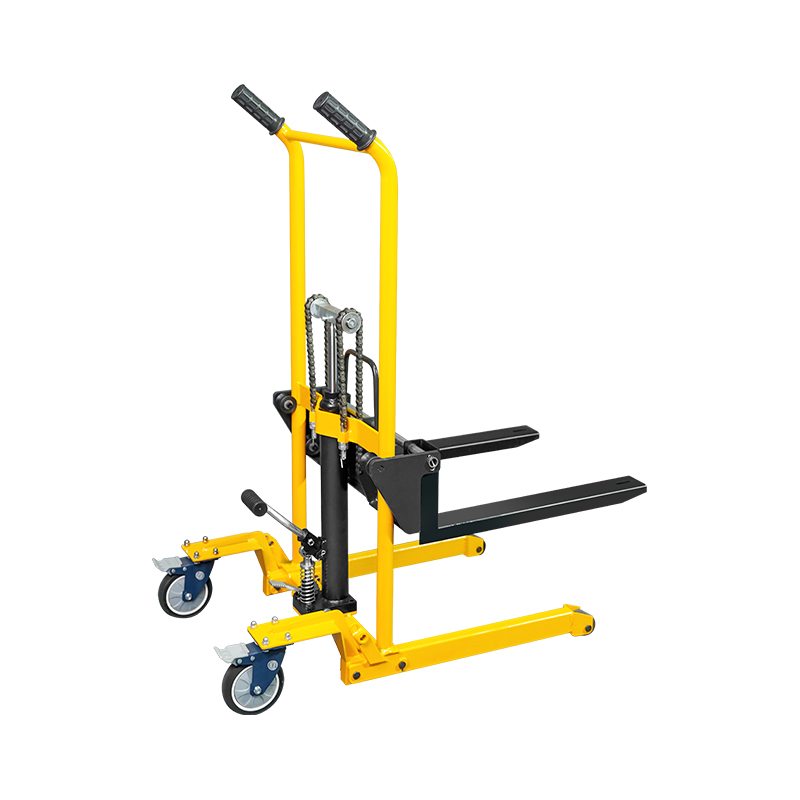
Ministaplare HS200
*Lämplig för staplare och transportörer av smågods *Liten tryck- och dragkraft, flexibel s -
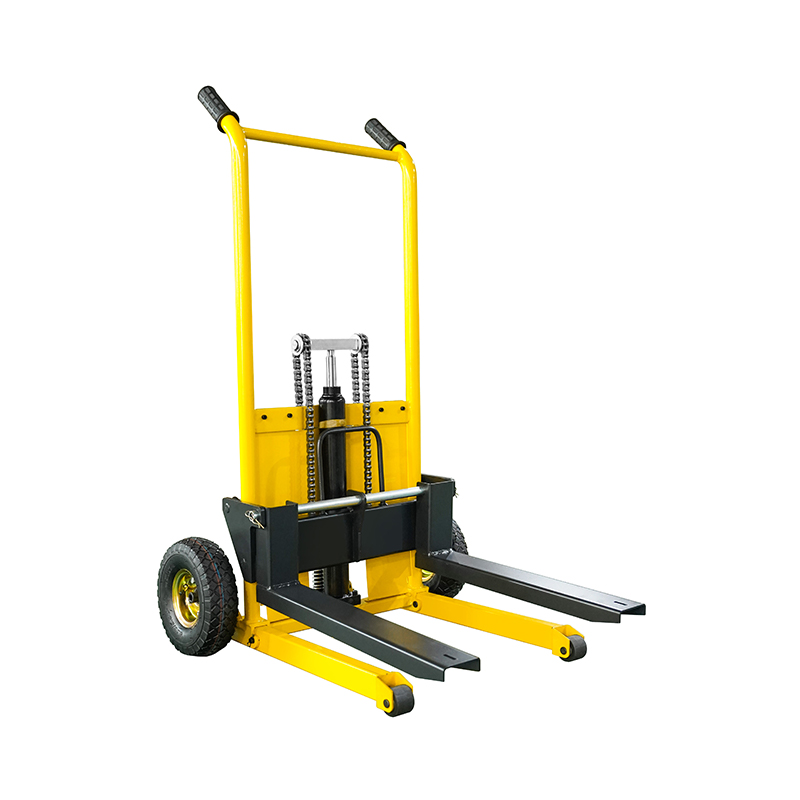
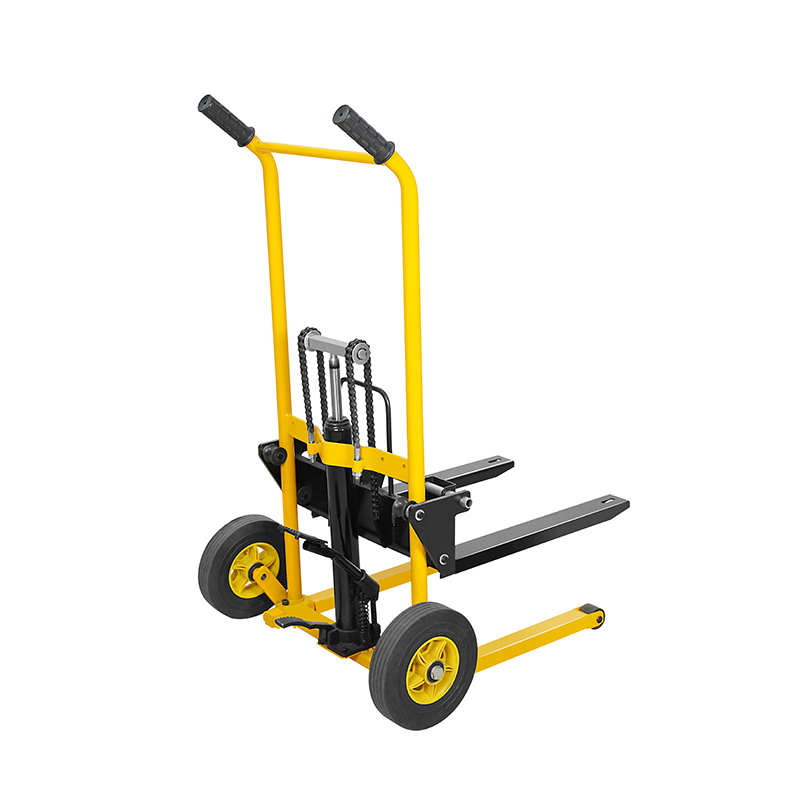
Ministaplare HS200
*Lämplig för staplare och transportörer av smågods *Liten tryck- och dragkraft, flexibel s -
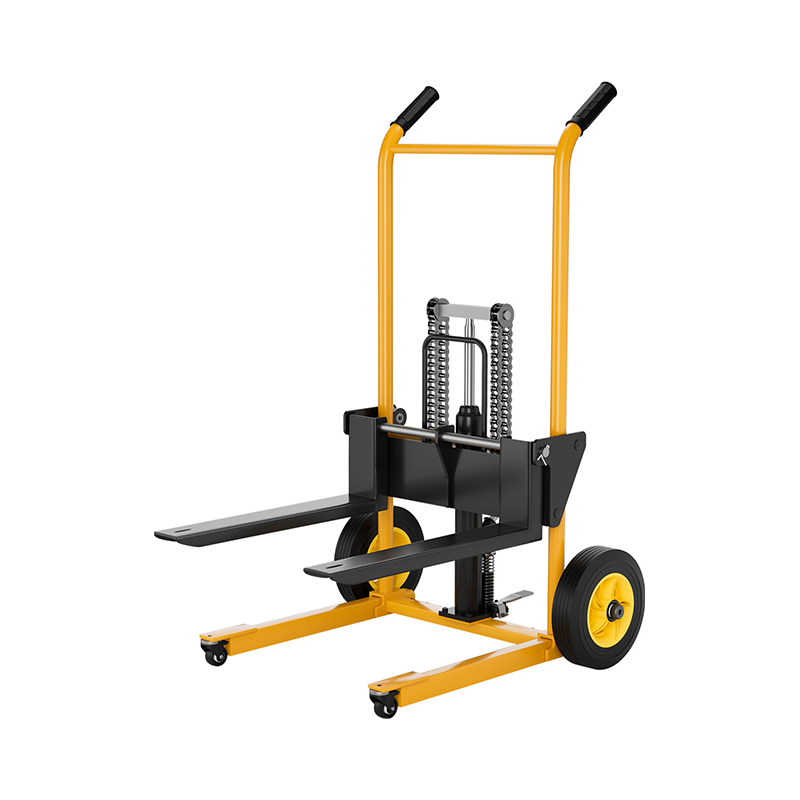
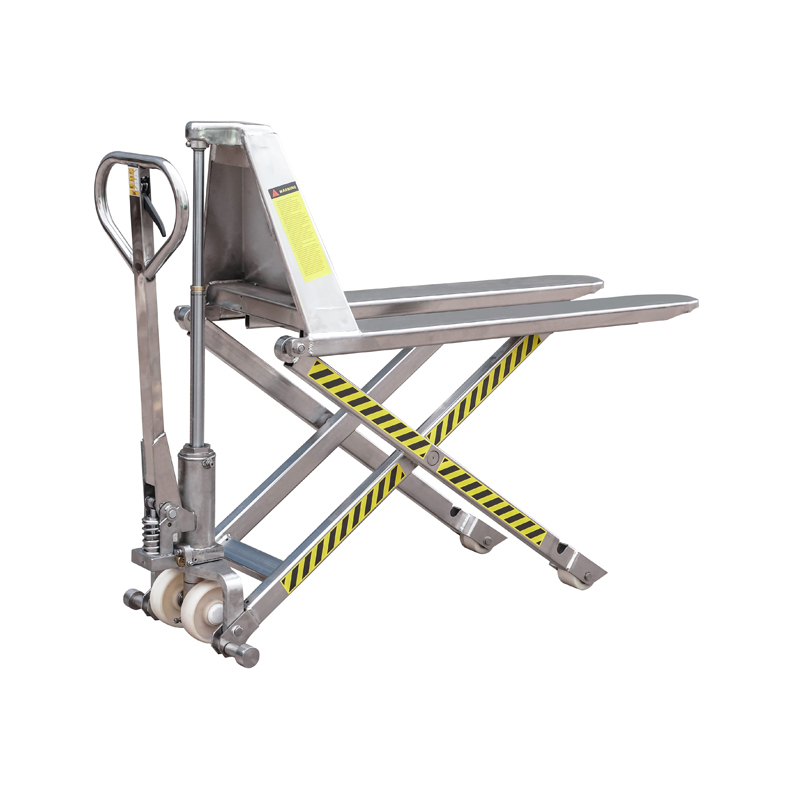
Ministaplare HS200
*Lämplig för staplare och transportörer av smågods *Liten tryck- och dragkraft, flexibel s


Om oss
Hangzhou Viilift Industrial Equipment Co., Ltd.
Som ett högteknologiskt företag med 20 års branscherfarenhet är vi specialiserade på
forskning, utveckling, produktion och försäljning av logistikhanteringsutrustning
and small lifting equipment. We are China Wholesale Manual Stacker Supplier and OEM/ODM Electric Pallet Stacker Factory. With 22 national patents, the company demonstrates
dess starka tekniska innovationsförmåga.
Våra huvudprodukter inkluderar intelligenta hanteringsrobotar, elektriska gaffeltruckar, manuell hydraulik
hantering av lastbilar och lätta kranar, som används i stor utsträckning inom industrier som tillverkning,
lagerlogistik, e-handel, fordon och läkemedel för att hjälpa företag att förbättra
logistikeffektivitet. Förlitar sig på ett tekniskt forsknings- och utvecklingscenter på provinsnivå,
våra självständigt utvecklade intelligenta styrsystem och högeffektiva drivsystem
teknologier säkerställer att våra produkter utmärker sig i effektivitet, säkerhet och energibesparing.
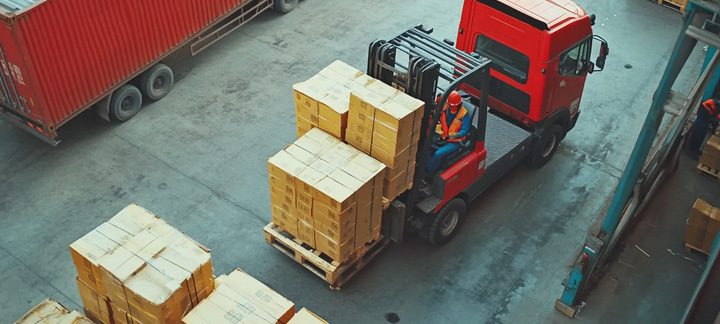
Tjänster vi tillhandahåller
Med ett kvalitetsledningssystem för produktionen certifierat av ISO och ett rikstäckande servicenätverk ger vi kunderna heltäckande tjänster från konsultation före försäljning till underhåll efter försäljning. Efter att ha etablerat strategiska partnerskap med många välkända företag och exporterat produkter till utländska marknader, har Hangzhou Viilift Industrial Equipment Co., Ltd. förbundit sig att bli ett riktmärkeföretag inom industrin för logistikhanteringsutrustning.
-

Konsultation före försäljning
En-mot-en-tjänst, rekommendera modeller efter behov och arrangera erfarenhet på plats.
-

Anpassningstjänst
Det tekniska teamet skräddarsyr efter behov och upprätthåller kommunikationen under hela processen för anpassning.
-

Underhåll efter försäljning
Nationellt nätverk svarar, svara inom 24 timmar och genomför regelbundna kostnadsfria inspektioner.
-

Operationsutbildning
Kombinera teori med praktik och gör bedömningar för att säkerställa säker och effektiv drift.
Hedersbevis
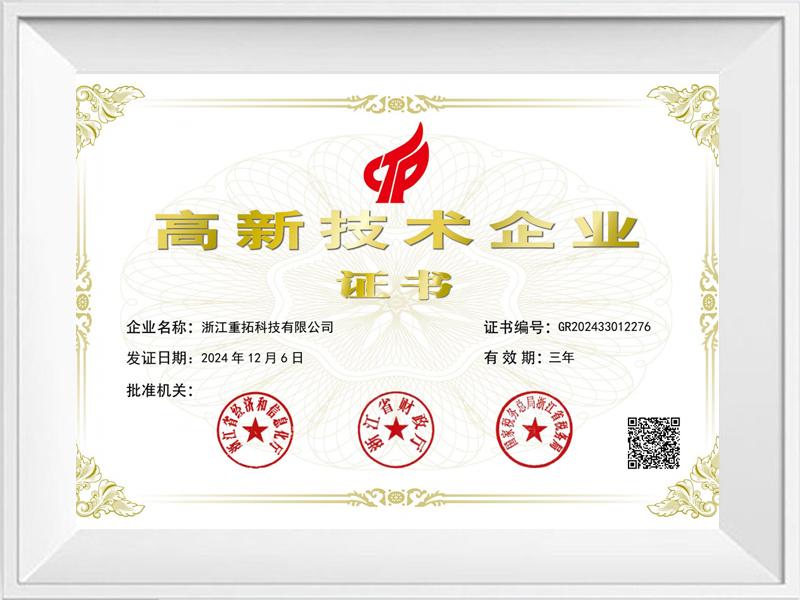
Högteknologiskt företagscertifikat
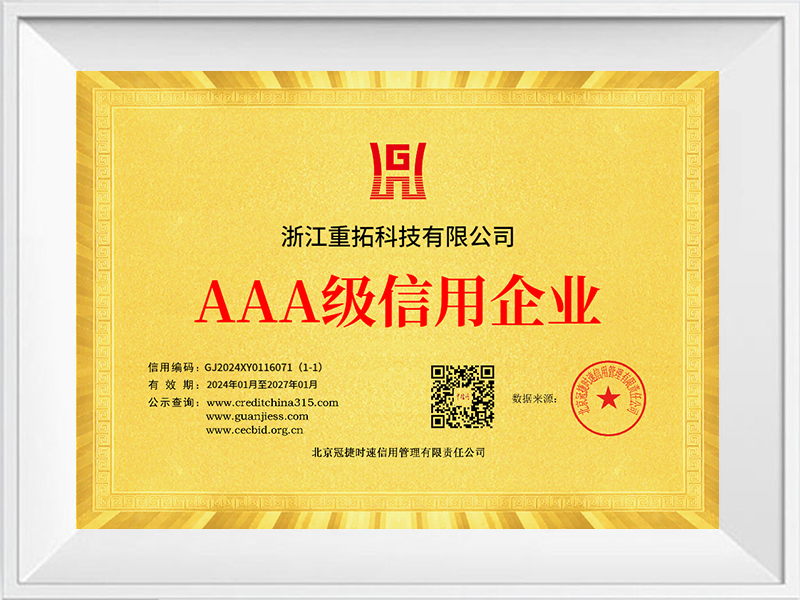
AAA-klassat kreditföretag
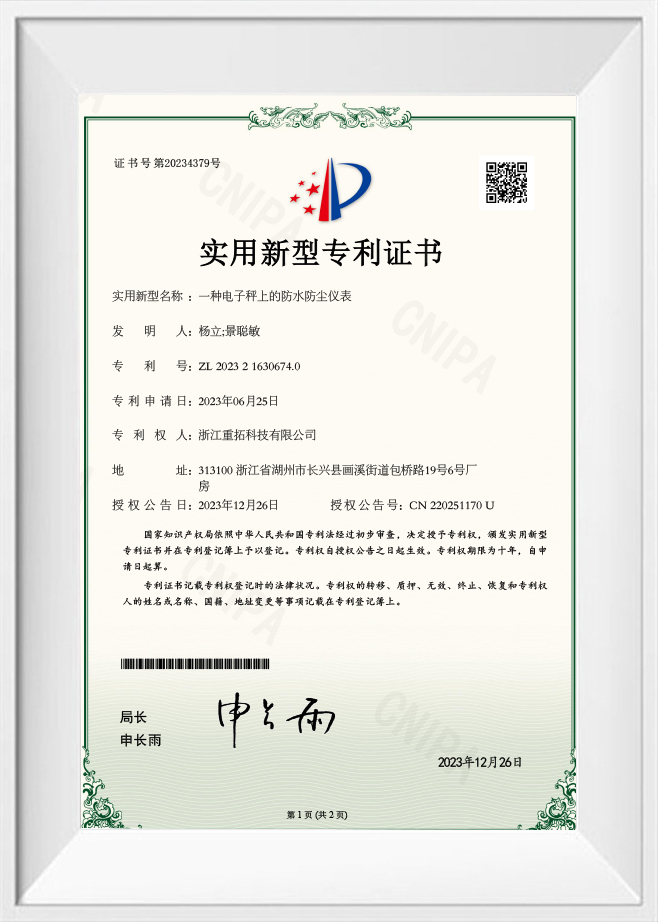
Praktiskt patentcertifikat
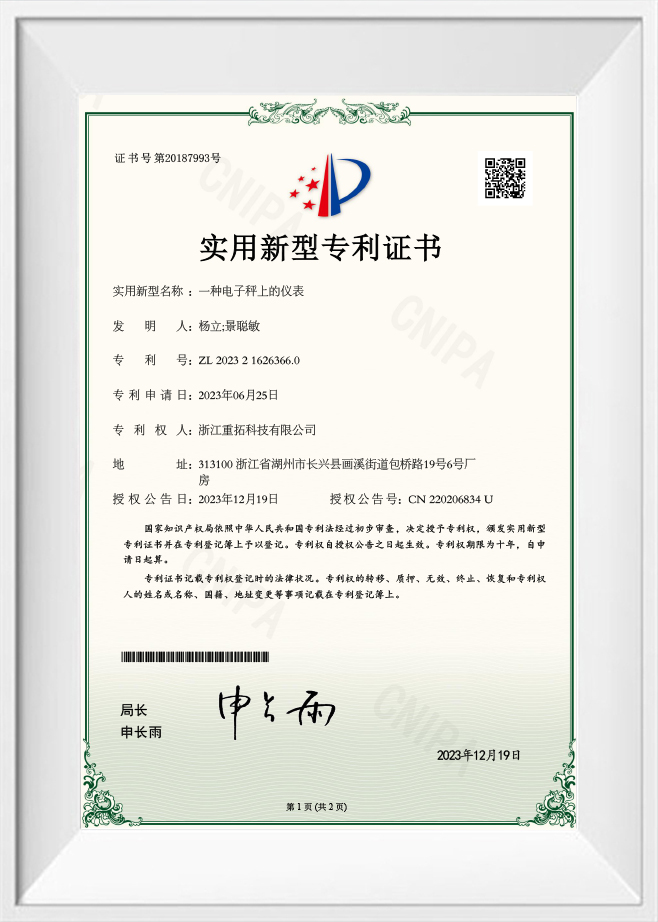
Praktiskt patentcertifikat
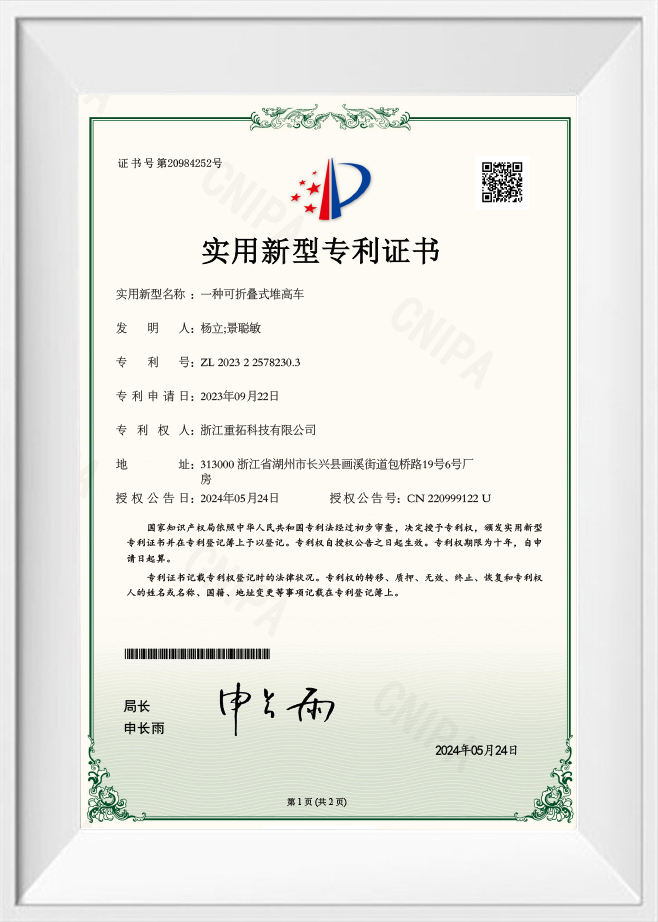
Praktiskt patentcertifikat
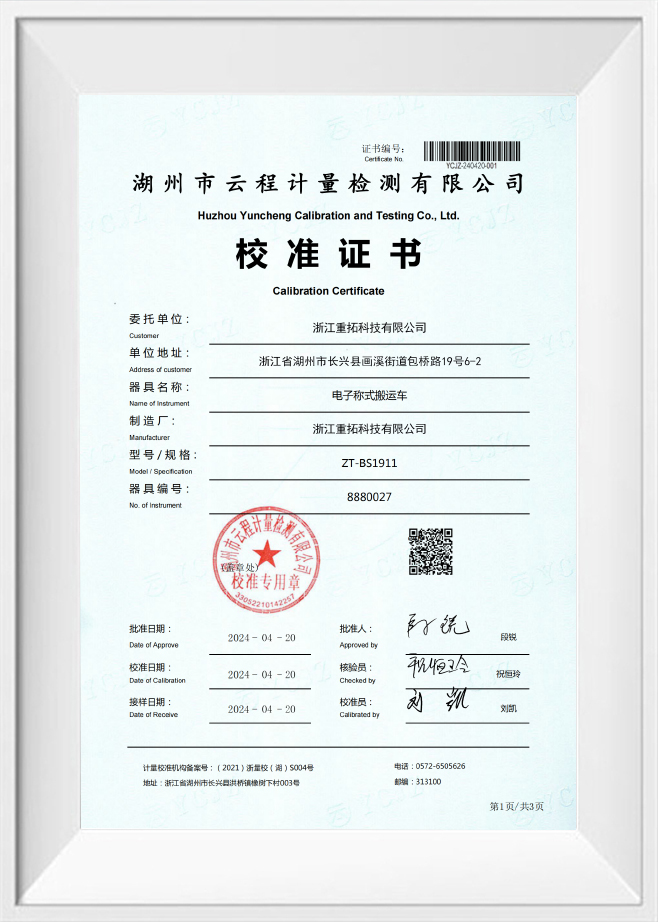
Elektroniskt certifikat för kalibrering av gaffeltruckar av vågtyp
Nyheter
-
Att flytta samma 150 kg-container från en pall till en arbetsbänk trettio gånger ett skift slutar vara ett styrkaproblem och blir ett upprepningsproblem: ryggbelastningar, cykeltider avviker och en slarvig lyft utsätter lasten, eller föraren, för fara. En elektrisk lyftplattform tar upp detta direkt. Den bär last...
Read More -
Det strategiska värdet av integrerade vägningssystem Den våglyft lastbil representerar en kritisk utveckling inom materialhantering, som i grunden förändrar logistiken genom att eliminera det överflödiga steget att transportera varor till en separat golvvåg. Genom att integrera vägningsmekanismen...
Read More -
Den elektriska pallstaplare är en överlägsen investering för modern materialhantering , som erbjuder en betydande avkastning på investeringen genom ökad produktivitet och minskad drifttrötthet. Till skillnad från manuella alternativ, som helt förlitar sig på fysisk ansträngning, automatiser...
Read More
Manuell staplare Industry knowledge
Mastering Material Handling: A Deep Dive into Manual Stackers and Electric Pallet Stackers
In the fast-paced world of warehousing, logistics, and manufacturing, the efficiency and safety of your material handling processes directly impact your bottom line. Choosing the right equipment for lifting, transporting, and stacking goods is not merely a purchase decision; it is a strategic investment in operational fluidity. Two fundamental classes of equipment that serve as the backbone for countless operations are the Manual Stacker and the Electric Pallet Stacker. While both are designed to move and stack palletized loads, their applications, operational costs, and efficiencies differ significantly. This guide provides an authoritative look into these essential machines, helping you discern which solution aligns with your specific operational demands.
Understanding the Manual Stacker: The Power of Simplicity
A Manual Stacker, often referred to as a hand pump stacker, is a pedestrian-operated piece of equipment that relies on hydraulic force generated by the operator to lift loads. Its simplicity is its greatest asset. Devoid of complex electronics and large batteries, it offers a reliable and cost-effective entry point into mechanical stacking. These machines are engineered for environments where duty cycles are light to moderate and travel distances are short. The absence of a motor means they are virtually silent and emission-free, making them suitable for sensitive environments like food preparation areas or quiet stockrooms. Their robust construction, typically featuring a steel frame and hardened steel forks, ensures longevity even in demanding conditions .
- Operational Mechanism: Utilizes a manual hydraulic pump. Pumping the handle builds pressure to raise the forks; a gentle pull on the release lever controls the descent.
- Ideal Applications: Perfect for secondary storage areas, retail backrooms, small warehouses, and facilities where stacking occurs intermittently throughout the day.
- Maintenance Advantages: With no motor or battery, maintenance is primarily mechanical—focusing on hydraulic fluid levels, wheel condition, and pivot point lubrication .
- Cost Efficiency: The lowest upfront investment in the stacking equipment category, with virtually zero energy costs.
Manual Stacker vs. Electric Pallet Stacker: A Comparative Analysis
When deciding between manpower and battery power, the primary considerations are frequency of use, lift height, and operator fatigue. A Manual Stacker is unbeatable for budget-conscious operations with low throughput. However, as volume increases, the physical demand on the operator becomes a limiting factor. An Electric Pallet Stacker transforms the same task into a push-button operation, dramatically increasing throughput and reducing the risk of workplace musculoskeletal disorders. To clarify these distinctions, the table below outlines the core operational differences.
| Feature | Manual Stacker | Electric Pallet Stacker |
| Power Source | Human hydraulic pump | Rechargeable battery (e.g., Lithium-Ion or Lead-Acid) |
| Lifting Mechanism | Physical pumping action | Electric motor with hydraulic pump |
| Typical Lift Height | Up to 3.3 meters (High-Lift models) | Can exceed 6 meters, suitable for high-bay racking |
| Operator Fatigue | High for repetitive or high-lift tasks | Minimal; operator controls movement via buttons/levers |
| Best Use Case | Intermittent stacking, light-duty, short distances | Continuous operation, high-volume throughput, long distances |
The Evolution of Efficiency: The Electric Pallet Stacker
Transitioning to an Electric Pallet Stacker represents a leap in operational capability. These machines integrate an electric drive motor for travel and an electric lift motor, eliminating physical exertion from the material handling equation. Modern Electric Pallet Stacker designs, particularly those featuring integrated lithium-ion technology, offer compact dimensions without sacrificing performance . This space efficiency allows for a smaller turning radius, enhancing maneuverability in congested warehouse aisles. The precision offered by electric controls ensures delicate load handling, which is critical for industries like pharmaceuticals and electronics, where product integrity is paramount .
- Enhanced Productivity: Faster lift and travel speeds significantly cut down cycle times compared to manual alternatives.
- Advanced Ergonomics: Features like electric power steering and suspended operator platforms (on rider models) drastically reduce operator fatigue during long shifts .
- Battery Technology: Lithium-ion batteries enable opportunity charging and eliminate battery maintenance, maximizing uptime .
- Safety Features: Automatic speed reduction when cornering and regenerative braking systems enhance safety and control .
Selecting the Right Configuration for Your Workflow
Choosing the correct subtype of Electric Pallet Stacker is crucial for optimizing your warehouse layout. The configuration dictates how the machine interacts with your racking and aisle space. Below is a guide to common stacker types and their specific applications.
| Stacker Type | Configuration | Optimal Application |
| Walkie Stacker | Pedestrian-operated; operator walks behind the unit. | Narrow aisles, short-distance transport, and truck loading/unloading . |
| Straddle Stacker | Features legs that straddle the bottom pallet, offering high stability. | Handling uniform loads and double-faced pallets where the legs can fit beneath the top pallet . |
| Reach Stacker (Walkie/Rider) | Forks reach out to retrieve pallets, allowing the outriggers to remain stationary. | High-density storage where maximizing space and reducing aisle width is critical . |
| Counterbalanced Stacker | No outriggers; uses a heavy counterweight in the rear to balance the load. | Versatile use for various pallet types, including single-faced pallets; can drive directly up to rack faces . |
FAQ: Expert Answers to Your Most Pressing Stacker Questions
How much weight can an Electric Pallet Stacker actually lift?
The load capacity of an Electric Pallet Stacker varies widely depending on its class and design to suit different operational needs. Standard walkie stackers typically handle capacities ranging from 1,000 kg to 2,000 kg (approx. 2,200 to 4,400 lbs). For heavier industrial applications, rider or counterbalanced stackers can manage loads up to 3,000 kg or more . It is crucial to consult the manufacturer's load capacity chart, as the maximum capacity decreases as the lift height increases due to the principles of leverage and stability. Operators must always factor in the load's center of gravity to ensure safe handling.
Is a manual or electric stacker better for my warehouse?
The decision hinges on three critical factors: frequency, distance, and height. A Manual Stacker is the superior choice for facilities with low-frequency stacking tasks, short travel distances, and limited budgets. They are ideal for secondary storage or operations where electricity is unavailable. Conversely, an Electric Pallet Stacker is indispensable for high-volume environments. If your operators are stacking loads repeatedly throughout a shift, especially to heights above 2.5 meters, the electric version pays for itself through increased productivity and reduced worker fatigue and injury risk . For very large facilities with long transport distances, a rider-style electric stacker is the most efficient solution .
What are the most common safety mistakes when using a Manual Stacker?
Despite its simple design, improper use of a Manual Stacker can lead to serious accidents. The most frequent and dangerous mistakes include overloading the unit, which can cause hydraulic failure or structural tipping. Another critical error is traveling with the forks raised too high; this elevates the machine's center of gravity, making it extremely unstable and prone to tipping during movement . Additionally, using pallets that do not match the fork dimensions can cause the load to shift unexpectedly. Pre-operation inspections are often neglected, missing issues like low hydraulic oil or worn wheels that lead to malfunction .
How do I maintain the hydraulic system on my stacker?
Proper maintenance of the hydraulic system is vital for safe and efficient operation. For a Manual Stacker, regular checks of the hydraulic oil level are essential; low fluid will prevent the forks from reaching their full height. If the forks descend slowly or drift down under load, it indicates internal leakage, often caused by worn seals or a dirty release valve . This typically requires cleaning the valve or replacing the seals. For an Electric Pallet Stacker, maintenance extends to the electrical components and battery. Routine checks should include inspecting all wiring for damage, ensuring battery terminals are clean and corrosion-free, and monitoring fluid levels in lead-acid batteries .
Can Electric Pallet Stackers be used outdoors?
While primarily designed for smooth indoor surfaces, certain Electric Pallet Stackers can handle outdoor applications, provided the conditions are right. Standard models with polyurethane wheels are best suited for flat, dry, paved surfaces like loading docks or sheltered outdoor storage areas. For operation on rougher terrain, such as construction sites or uneven yards, a heavy-duty model with pneumatic or cushion tires and enhanced ingress protection (IP ratings) for the electrical system is required . However, for extensive outdoor use over rough ground, a purpose-built rough terrain forklift is generally a safer and more durable option.

Behöver du en anpassad lösning? Kontakta oss - vi är här för att hjälpa dig.
Kontakta oss
Kategori
Kontakta oss
-
 +86-18967188155
-
 [email protected]
-
 Byggnad B, nr 776, Jianshe Road, ekonomisk och teknisk utvecklingszon, Xiaoshan-distriktet, Hangzhou City, Zhejiang-provinsen. Kina.
Mobil


Hangzhou Viilift Industrial Equipment Co., Ltd.All rights reserved.
Wholesale Manual Stacker Supplier
